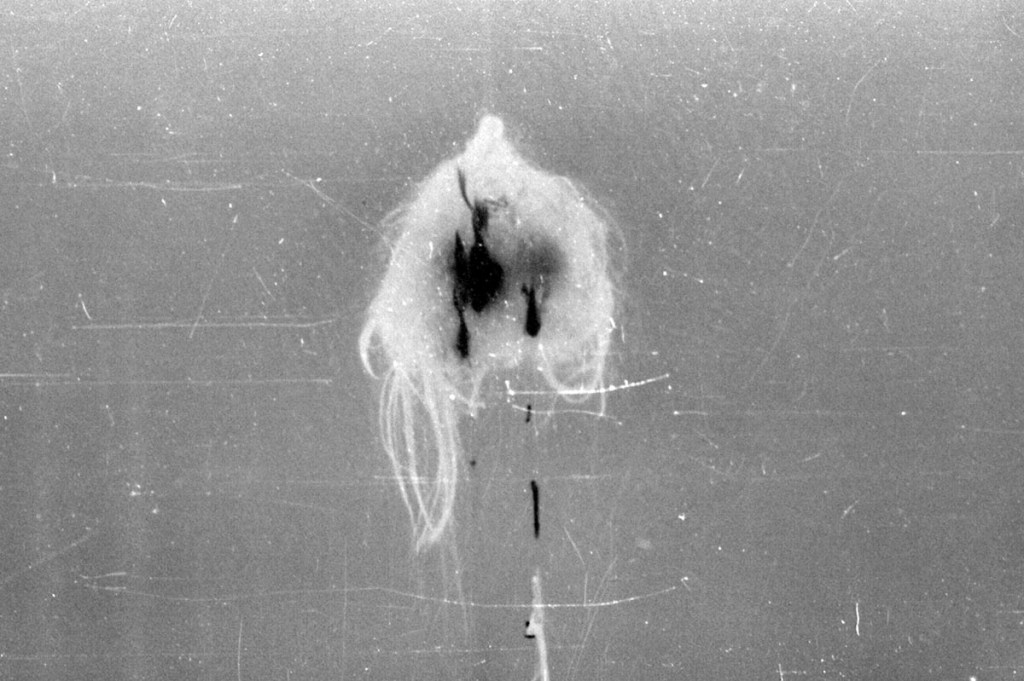
Mundane
Social violence in Bangladesh has increasingly become part of everyday life, creating fear, anxiety and a gradual sense of numbness. Mundane began in 2018 as my attempt to understand this violence and how we live with its repeated presence.
I collect accounts of violence from newspapers, social media and people I know, preserving them as an archive. For me, this archive is a way of acknowledging that these events happened and resisting their disappearance from collective memory. From this research, I create staged photographs with models in familiar domestic spaces. I do not recreate specific incidents literally. Instead, I use bodies, gestures, objects and imagined situations to explore the psychological and emotional experiences surrounding violence, including fear, trauma, vulnerability and resilience.
Working on Mundane since 2018 has taken me through three changes of government in Bangladesh. Over time, this has brought a new question into my research: does violence really change when political power changes? Looking across these different periods, I have observed different forms of violence emerging under different circumstances, yet returning again in other forms. This continuing cycle has made me think more deeply about how violence becomes normalised and how quickly individual lives can disappear behind a constant flow of news and images.
Mundane refuses this normalisation and forgetting. It tries to hold on to the individuality and dignity of each victim while creating a space to reflect on the psychological impact of violence on victims, families and society. The project is also an ongoing inquiry into our collective psyche: what happens to us when violence becomes part of the everyday, and how can an image help us remember, feel and remain empathetic?